
The Hidden Marvel of Spring: The Crucial Role of Grape Flowering in Vineyard Success
When we think of vineyards, the abundant fall harvest with its ripe, juicy grapes often springs to mind. However, the journey to that yearly bounty begins well before the harvest, in a lesser-known but equally critical stage: grape flowering.
This process, occurring in late spring, sets the foundation for a successful harvest. Let's dive into the fascinating world of grape flowering and understand why it’s vital to vineyard management.

Grape flowering, or the emergence of grape flowers, generally occurs 40-80 days after bud break. This timing is influenced by temperatures and rainfall, with the average daily temperatures ideally ranging between 59-68 degrees Fahrenheit. Consistent temperatures within the optimal range are crucial for the development of grape flowers. If the weather is too cold or too hot, it can disrupt the flowering process, potentially affecting the entire growing season.

Unlike many plants that rely on external pollinators like bees, grapevines have a unique advantage—they are hermaphroditic. This means that each flower contains both male and female reproductive parts, allowing them to self-pollinate. This capability is particularly beneficial in vineyards, where the process of fertilization can occur without the need for external pollinators.
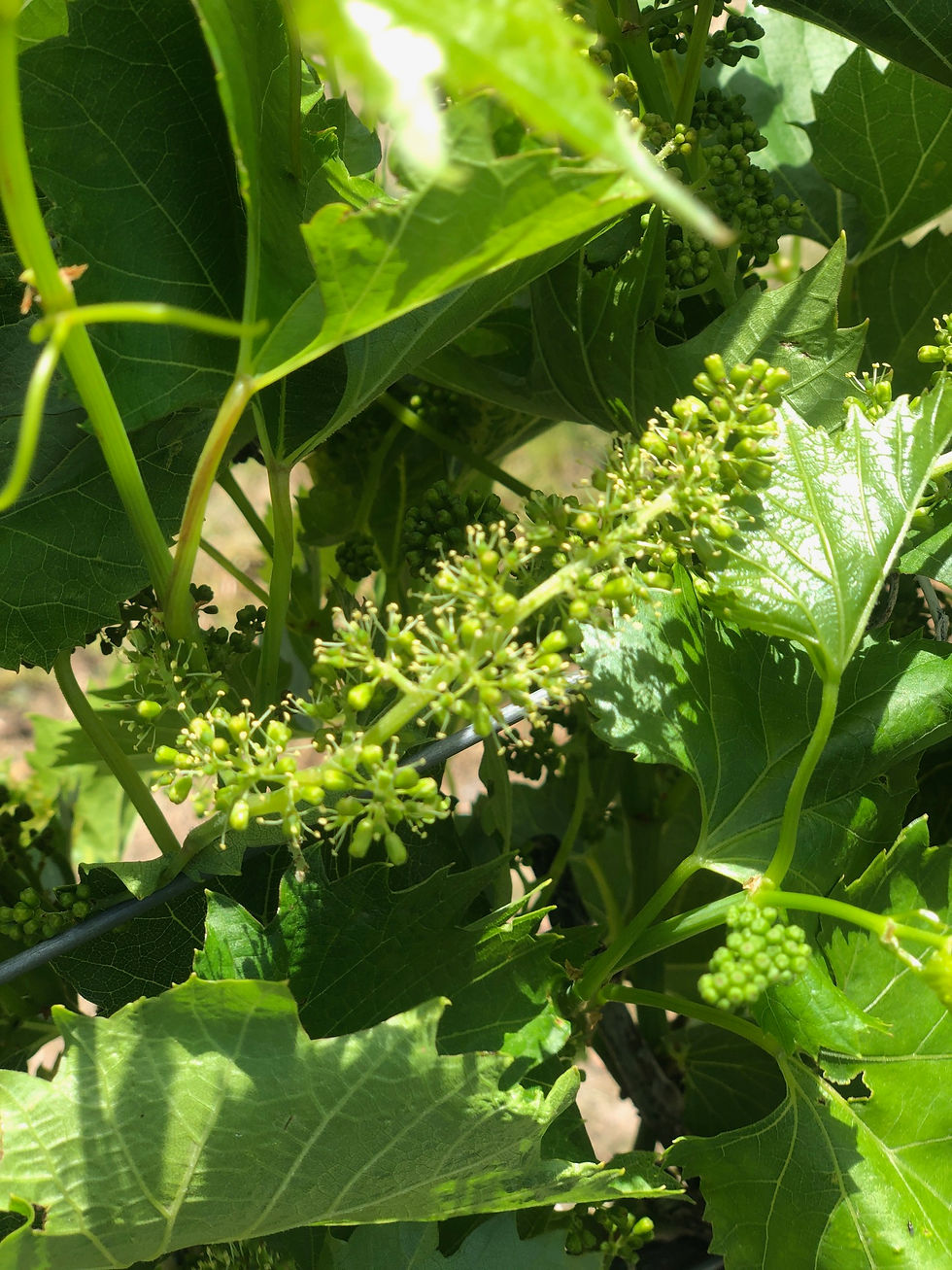
While the vibrant harvest season often takes center stage, the journey of grape growing begins with the humble yet crucial phase of grape flowering. The success of this process, driven by optimal weather conditions and the vine's self-pollinating capabilities, sets the stage for a fruitful harvest. Understanding and managing this phase is key to achieving the quality and yield that vineyard managers strive for each year.

So, the next time you savor a glass of wine, remember that its journey started with the delicate grape flowers of spring, silently working their magic to bring you the flavors of the vineyard.


People can have very different experiences with DM First Game Some may enjoy the gameplay, while others may focus more on understanding the rules and features. I think every genuine perspective can add something useful to the discussion.
This is such a fascinating look into viticulture! Most people only think about grape harvesting, but seeing how delicate and crucial the flowering stage is in spring really gives you a whole new appreciation for winemaking. Honestly, while taking a quick breather during my workday or chilling out between reading vineyard updates, I usually play a few browser games on minigame (it's completely free with no downloads needed, super fun for a fast mental break haha). Thanks for sharing such great seasonal insights from the vineyard!
What a delightful exploration of grape flowering! It’s fascinating how these tiny blossoms hold the key to vineyard success. I would love to see more insights on climate impacts during this critical period. It's interesting how similar dynamics can apply in other fields, like even in tech, where timing and conditions can lead to that ragdoll hit effect—sudden successes or failures based on seemingly small changes. Keep up the great work!
What is amazing about Melon playground is how relaxed it is. One does not have to be in a hurry when playing this game; one can take all the time necessary to arrange objects or watch their behavior.
Когда искал информацию про покердом зеркало, попалась https://cardmates.net/zerkalo_pokerdom Решил посмотреть подробнее, поскольку хотелось разобраться с вариантами доступа. На странице собраны основные сведения без необходимости искать всё отдельно. В целом информация оказалась полезной.